


Baby Cribs
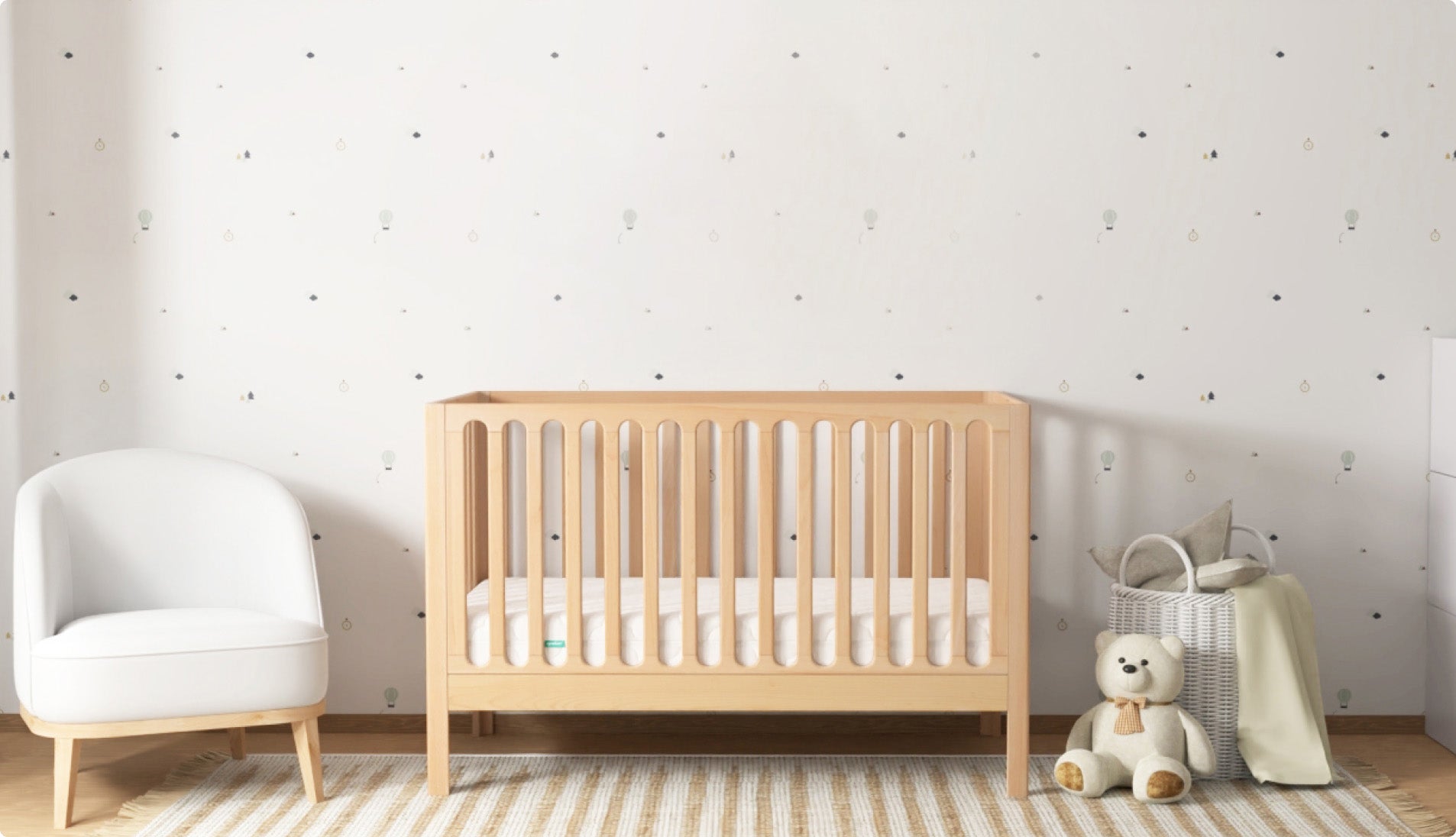
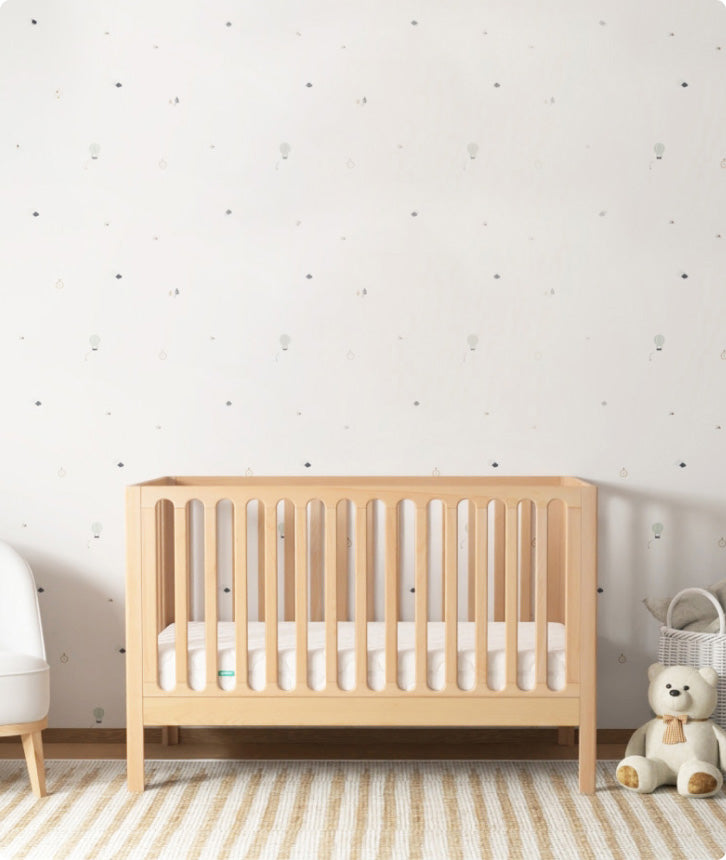
Stylish, sustainable cribs designed to pair perfectly with our award-winning mattresses.
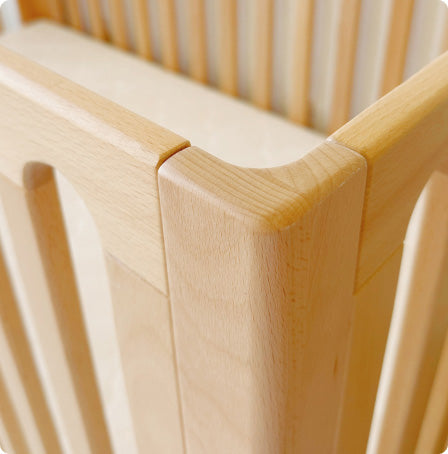
Beautiful, natural variations in wood grain and color
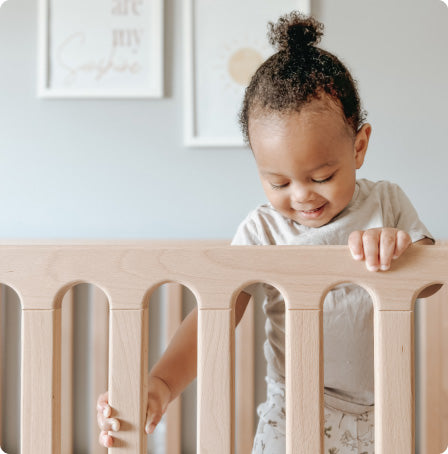
Distinctive rounded arches add style and interest
THE NEWTON GALILEO
A Safer, Healthier, Better Crib

Safe for Baby
Non-toxic, lead and phthalate safe

Sustainable Materials
Premium, sustainably sourced solid Beech wood from France

Clean, Modern Design
Versatile style perfect for every nursery

One to Grow On
Effortlessly transitions with your little one’s growth
-
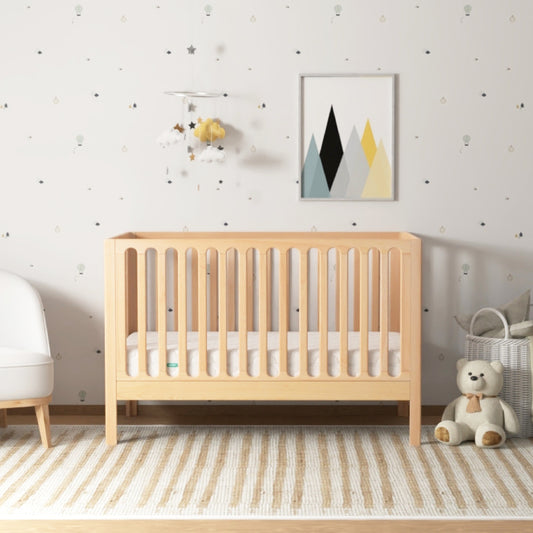
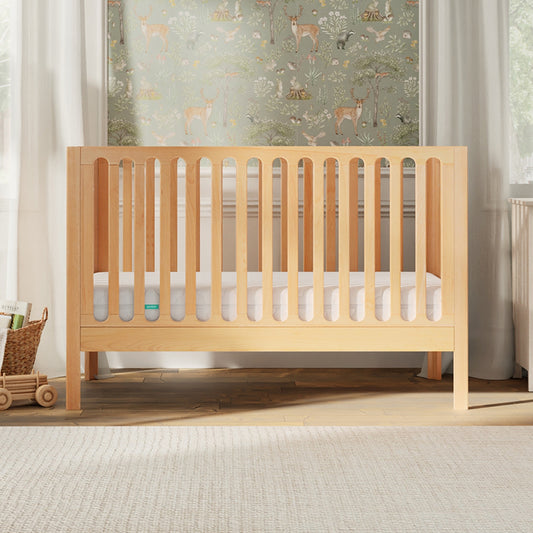 Get a FREE mattress!26 Reviews
Newton Galileo Convertible Crib
Regular price $ 599.99Sale price $ 599.99Unit price perWhite
Natural / Dove White
Warm White
Sage
Natural
Chestnut
-
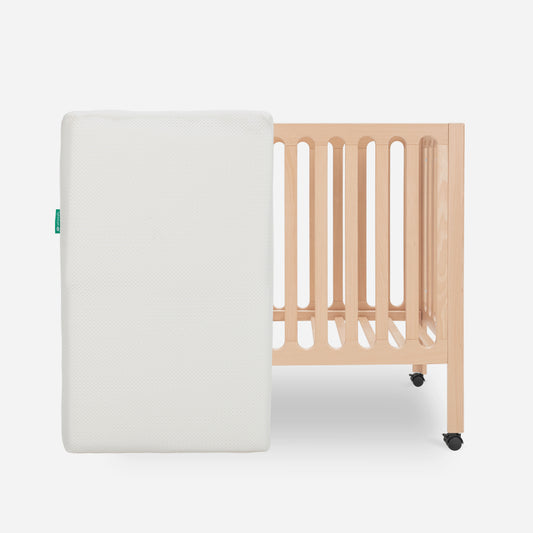
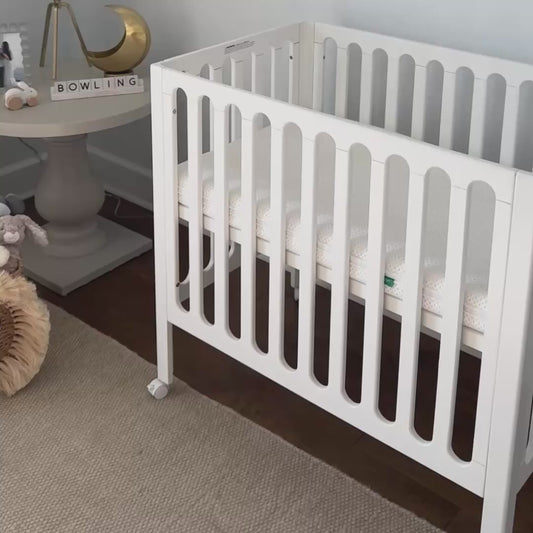 FREE Mattress included!11 Reviews
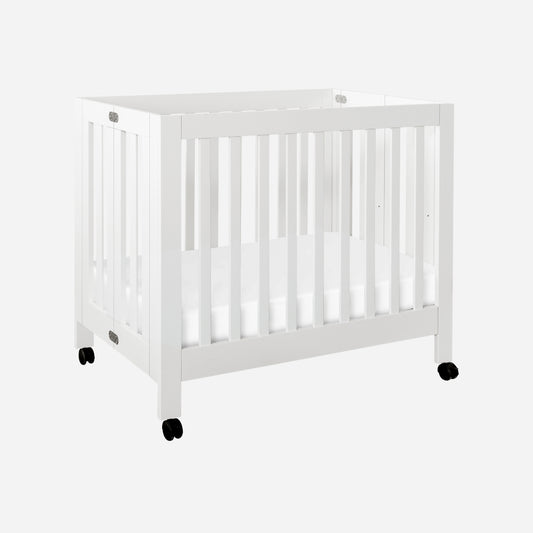
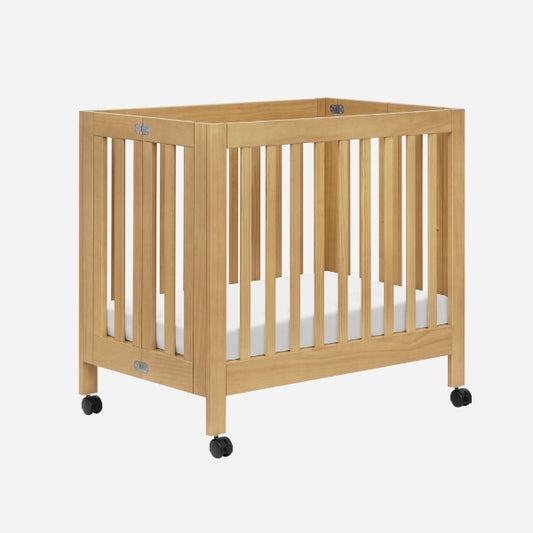
Galileo Mini Crib + Mattress Bundle
Regular price$ 599.99$ 499.99Regular priceUnit price per$ 599.99Sale price $ 499.99SaleNatural
White
Chestnut
Sage
-

 Get a FREE mattress!
Newton Nest Convertible Crib
Regular price $ 749.00Sale price $ 749.00Unit price perWarm White
Natural
Chestnut
-
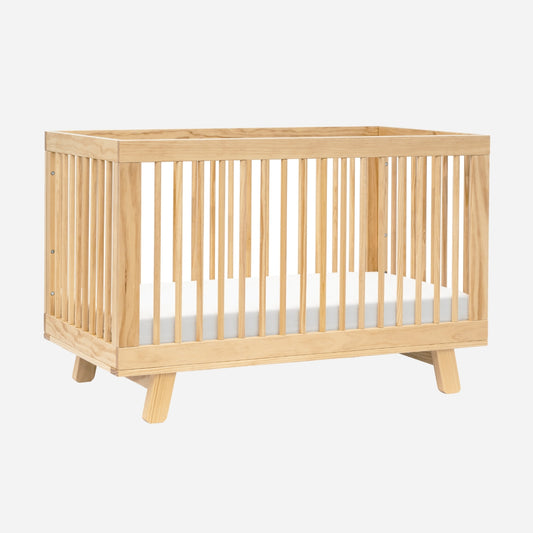
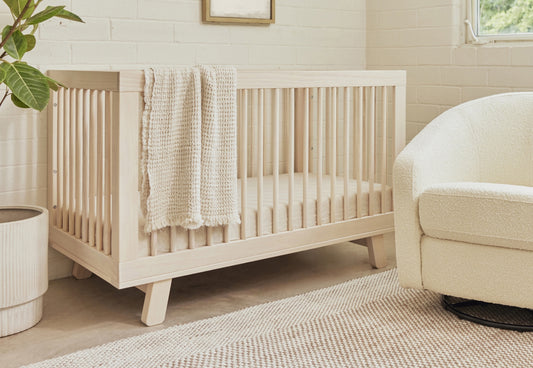 Bundle & Save $75
Washed Natural
Natural
Black
Natural Walnut/Black
White
White/Washed Natural
Grey
Honey
Olive
-
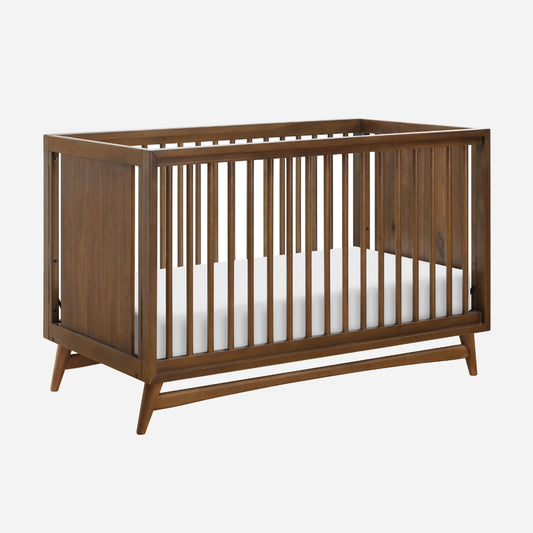
 Bundle & Save $75
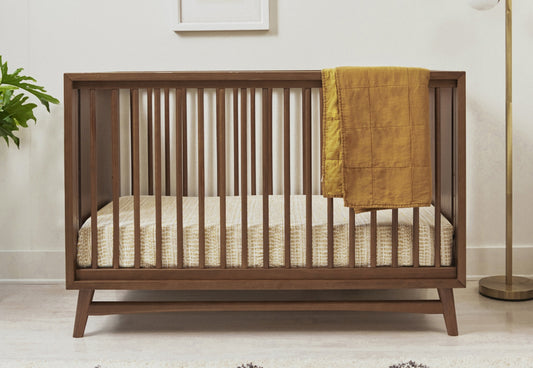
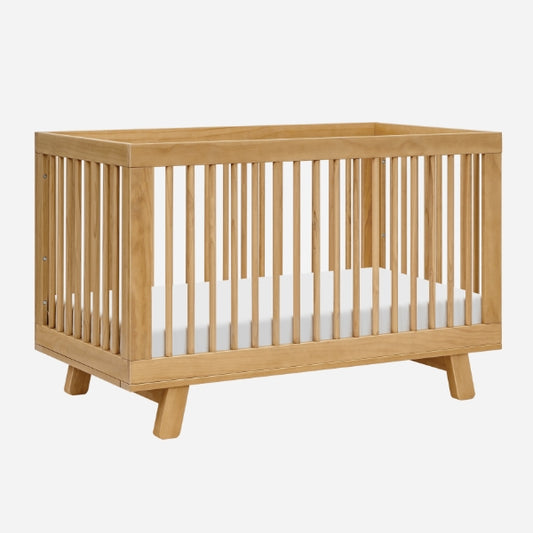
Peggy Convertible Crib
Regular price $ 599.00Sale price $ 599.00Unit price perNatural Walnut
Honey
-
 Bundle & Save $75
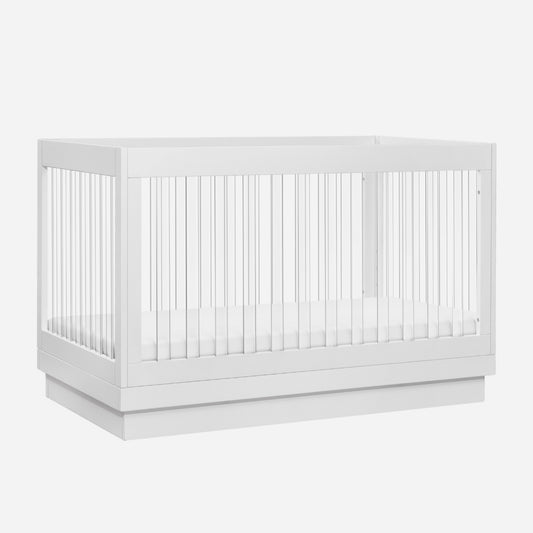
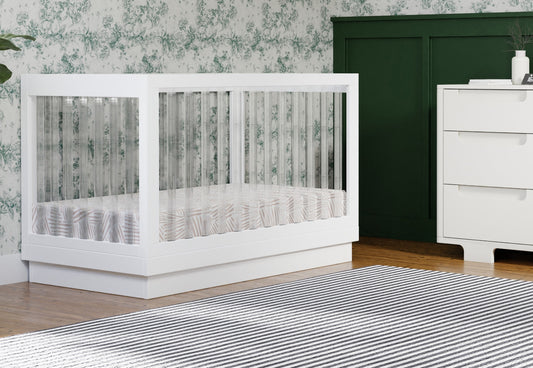
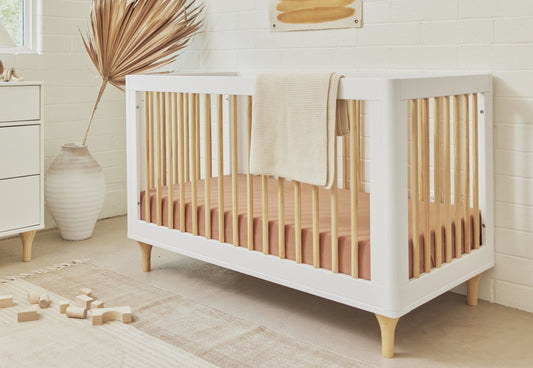
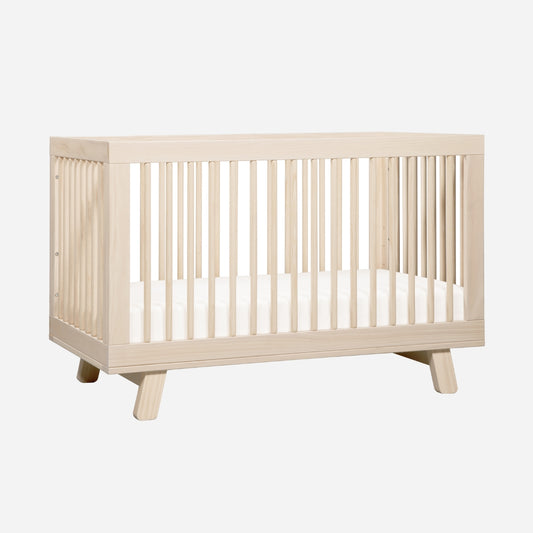
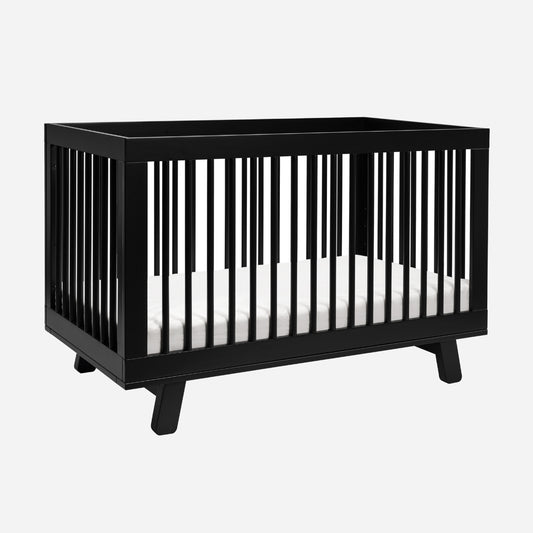
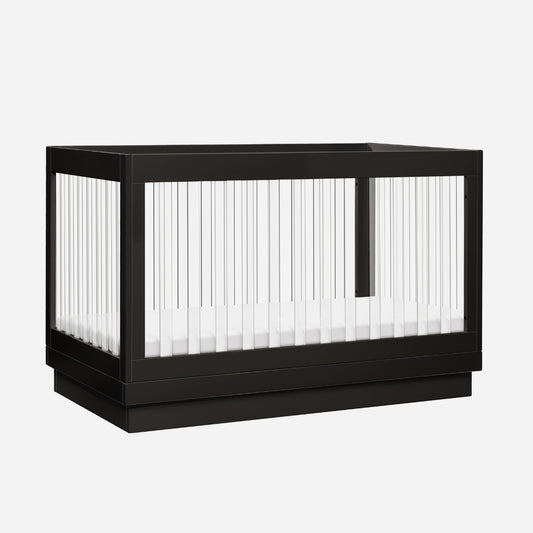
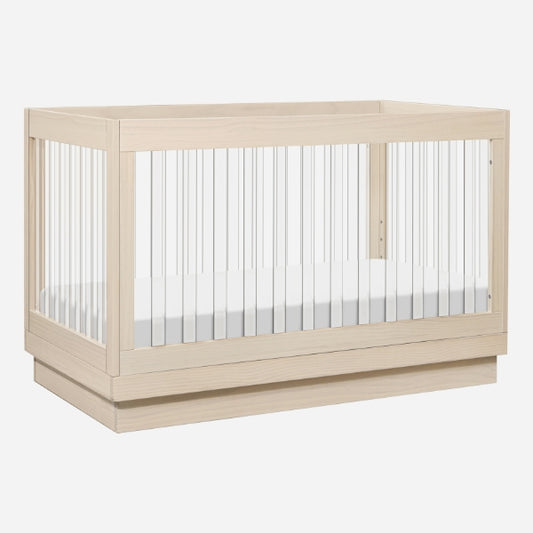
Harlow Acrylic Convertible Crib
Regular price From $ 559.00Sale price From $ 559.00Unit price perBlack with Black Base and Acrylic Slats
White with White Base and Acrylic Slats
Washed Natural/Acrylic
-
 Bundle & Save $75
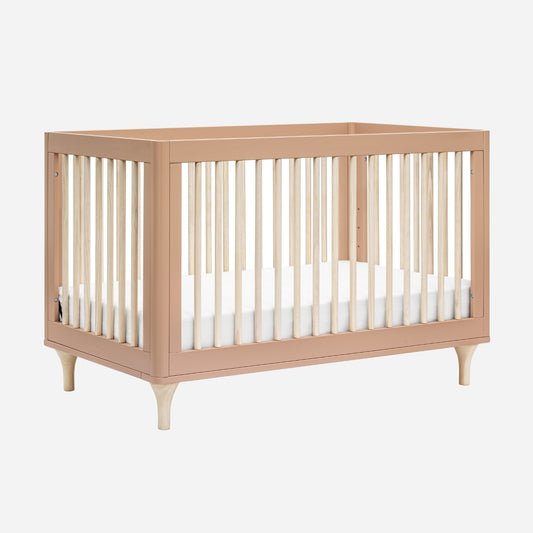
White / Natural
Black / Washed Natural
Canyon/Washed Natural
Washed Natural
-
 Bundle & Save $50
Light Sage
Grey
Washed Natural
White
Honey
-
 Bundle & Save $75
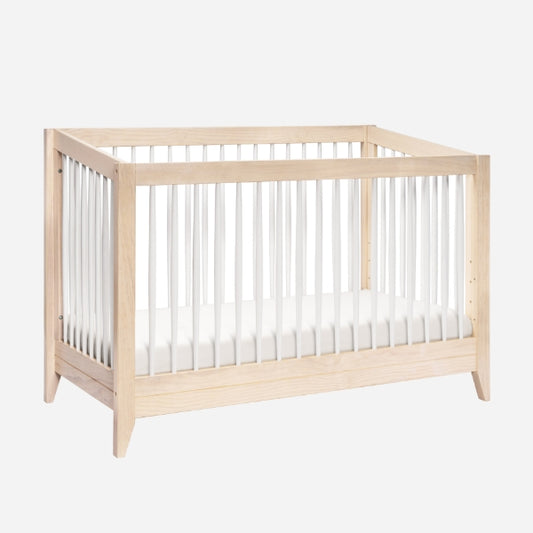
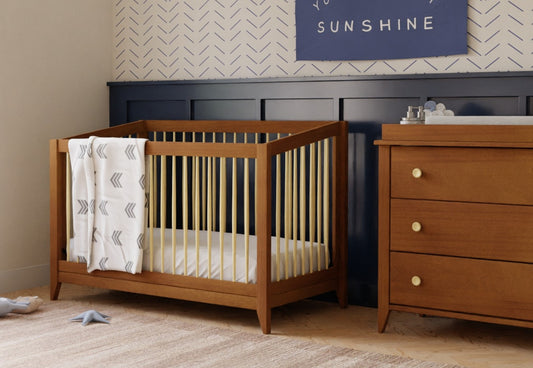
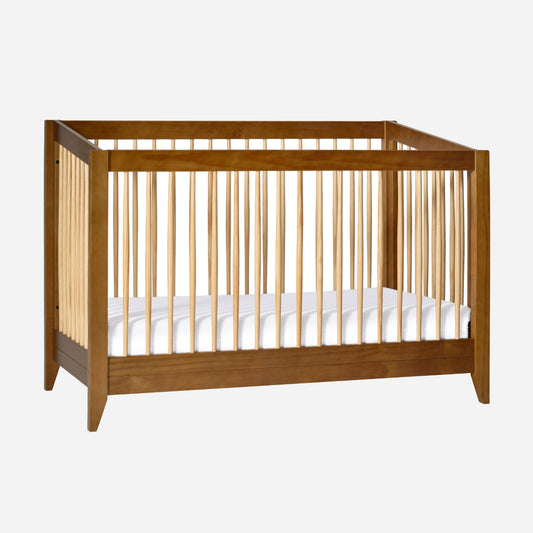
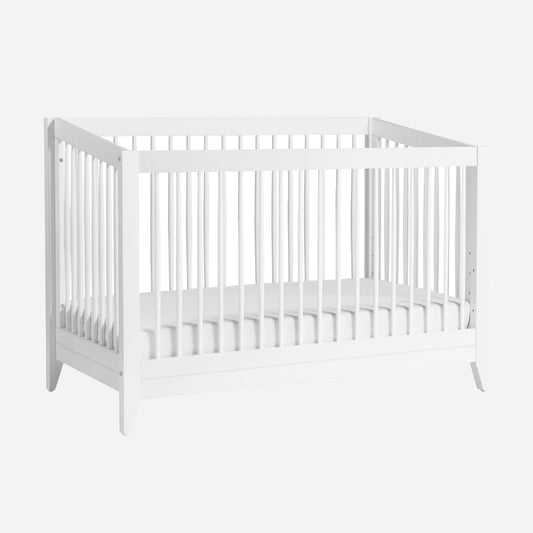
Sprout Convertible Crib
Regular price From $ 499.00Sale price From $ 499.00Unit price perChestnut / Natural
White
Washed Natural / White
-
 Bundle & Save $75
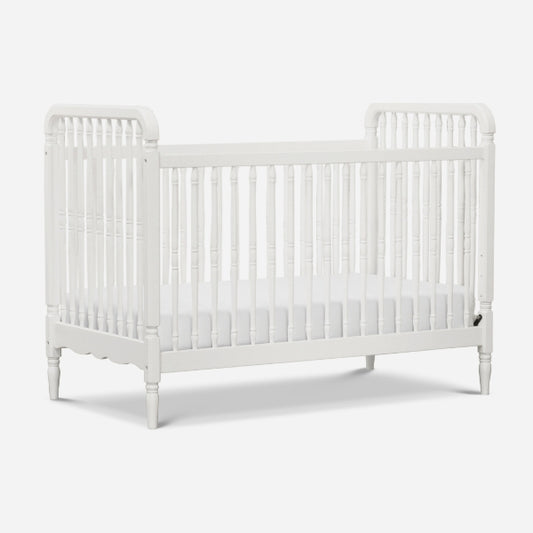
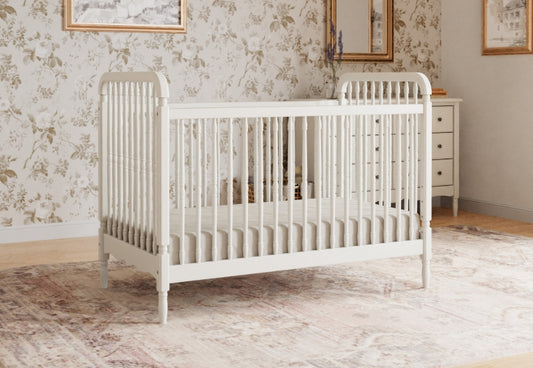
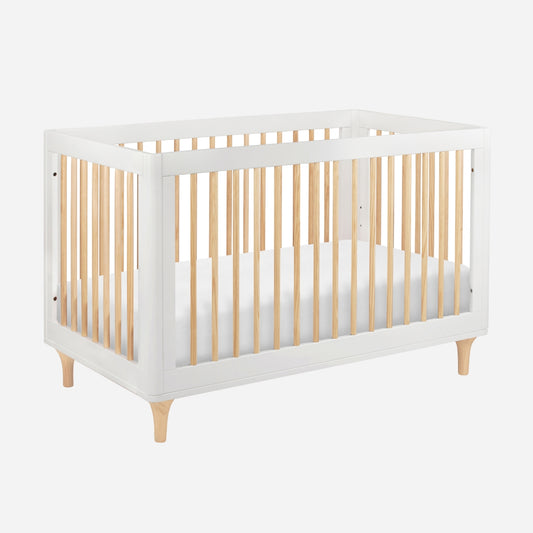
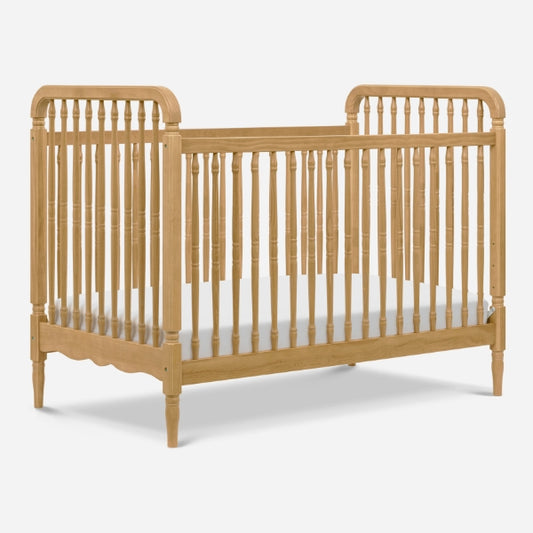
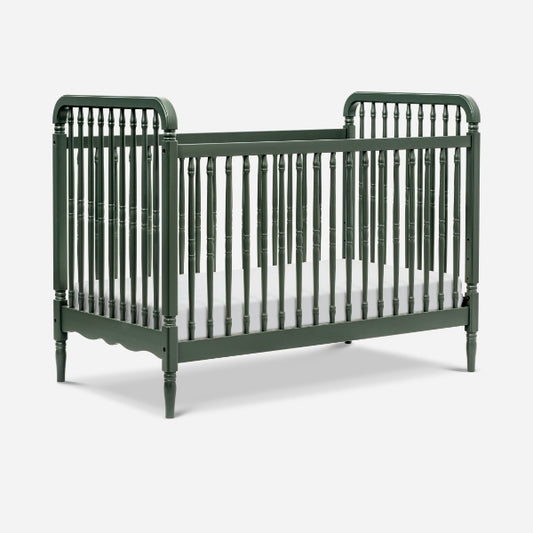
Liberty Convertible Crib
Regular price From $ 549.00Sale price From $ 549.00Unit price perWarm White
Honey
Forest Green
-
 Bundle & Save $75
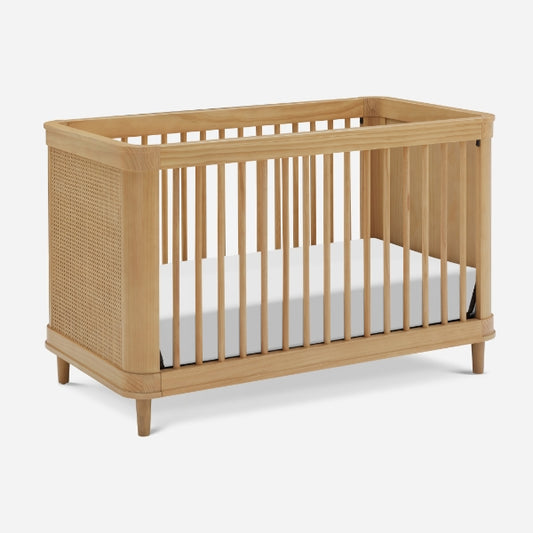
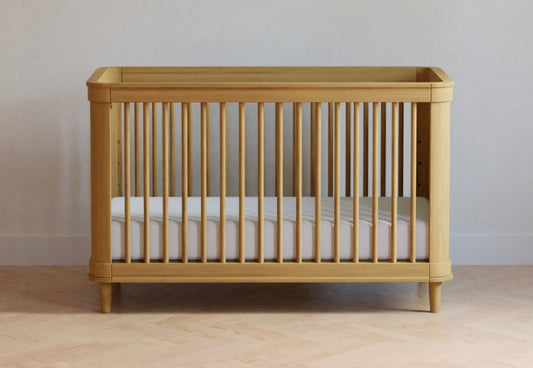
Marin Convertible Crib
Regular price $ 799.00Sale price $ 799.00Unit price perHoney/Honey Cane
-

 2 Reviews
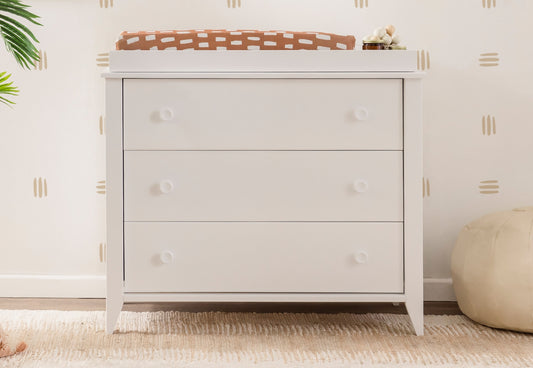
Sprout 3-Drawer Changer Dresser
Regular price From $ 499.00Sale price From $ 499.00Unit price perWashed Natural / White
White
Chestnut / Natural


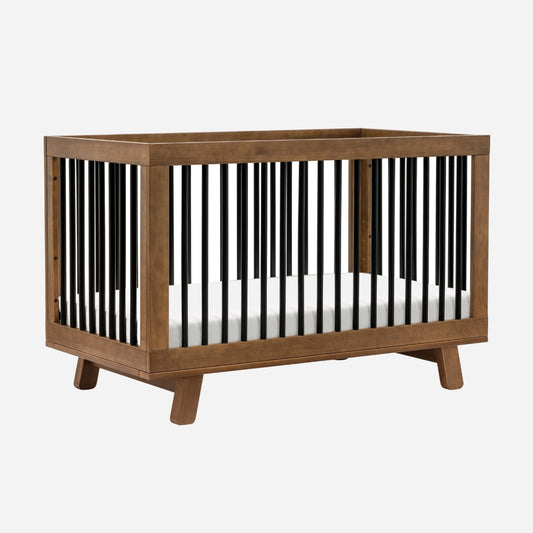
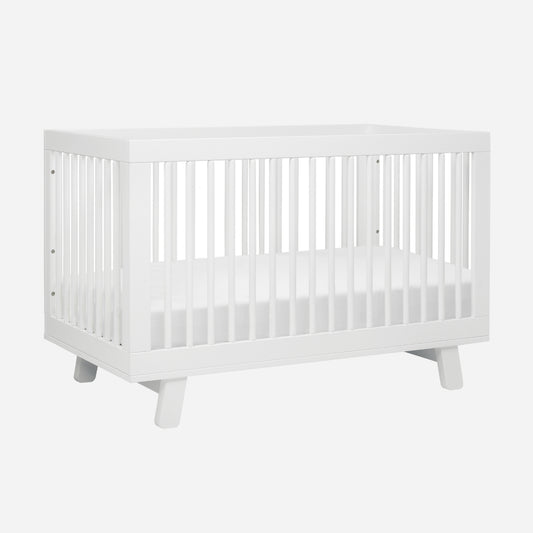
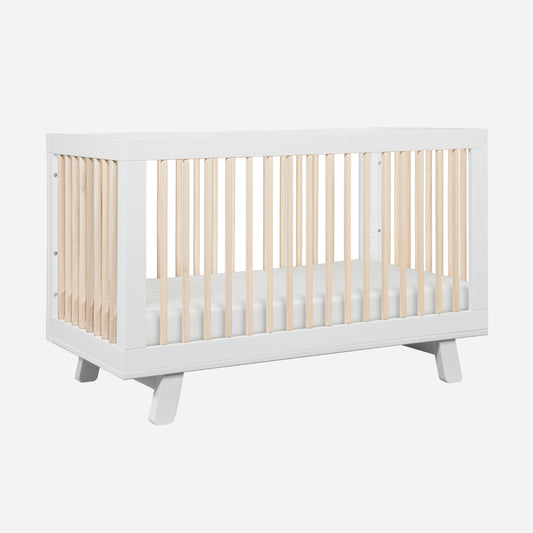
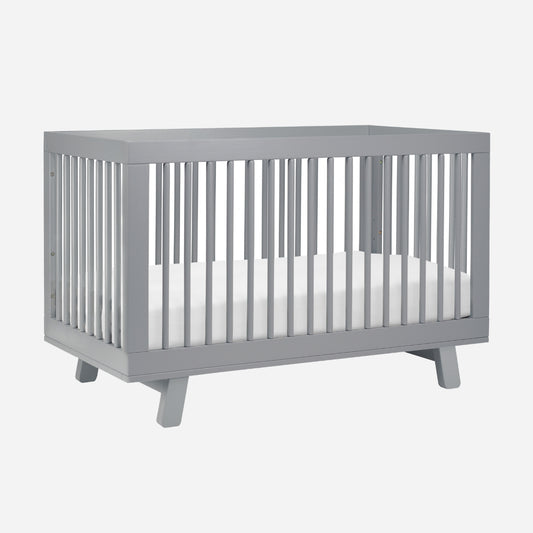





Frequently Asked Questions (FAQs)
What is a convertible crib?
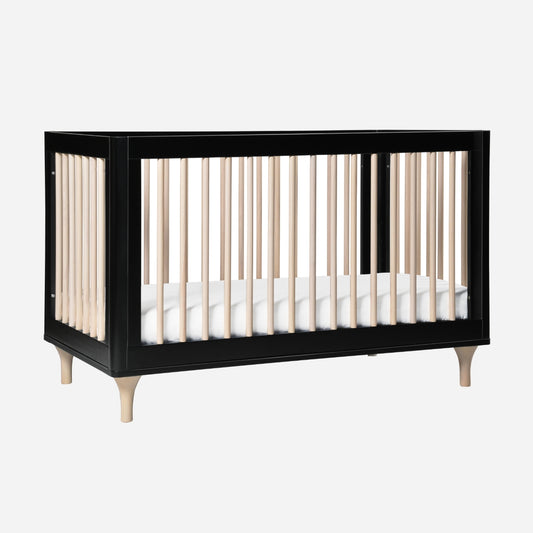
A convertible crib is a baby bed that allows you to adjust the height of the mattress as your child grows and then change it to a toddler or day bed when they’re ready to climb out.
Some convertible cribs offer three configurations (3-in-1), generally crib, toddler bed, and daybed; others offer four (4-in-1), adding a full bed to the mix. Certain convertible cribs can also be configured into bassinets or mini cribs as well.
The Newton Galileo convertible crib can be adjusted to suit the different stages your baby goes through. It features three mattress heights:
- Newborn: 15”
- Infant: 20”
- Toddler: 26”
When your baby is ready, you can remove the front of the crib when the mattress is set at 26” to create a toddler bed to give your little one more freedom to come and go as they please. Get ready for sleep training!
What’s the difference between a crib and a mini crib?
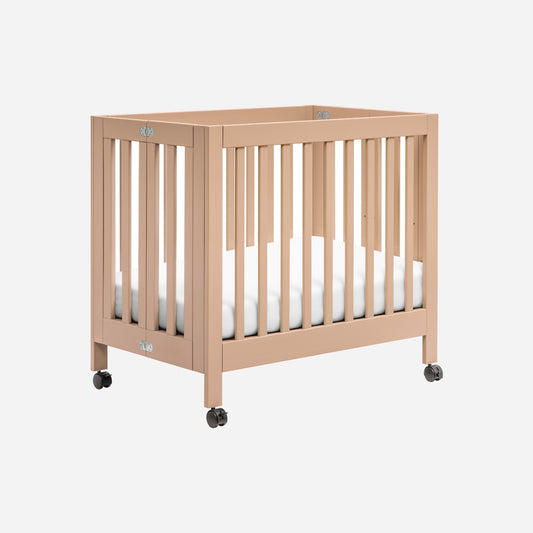
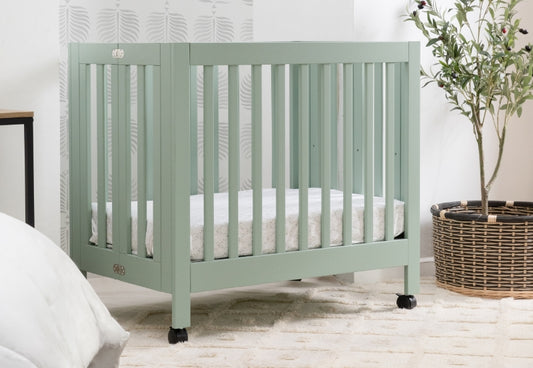
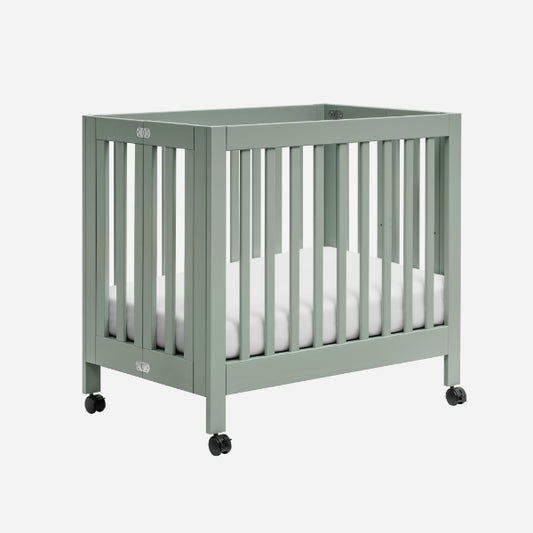
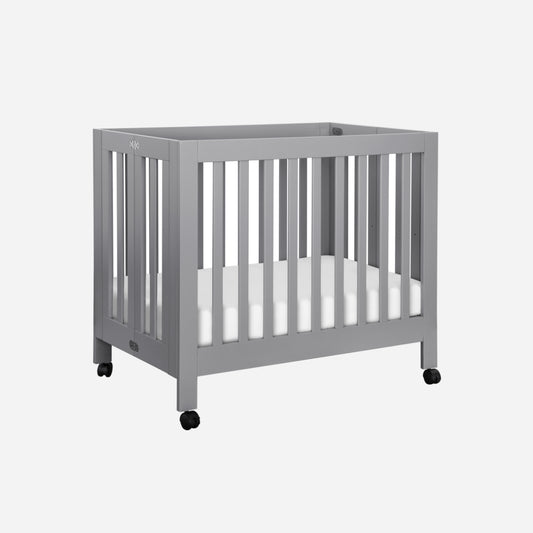
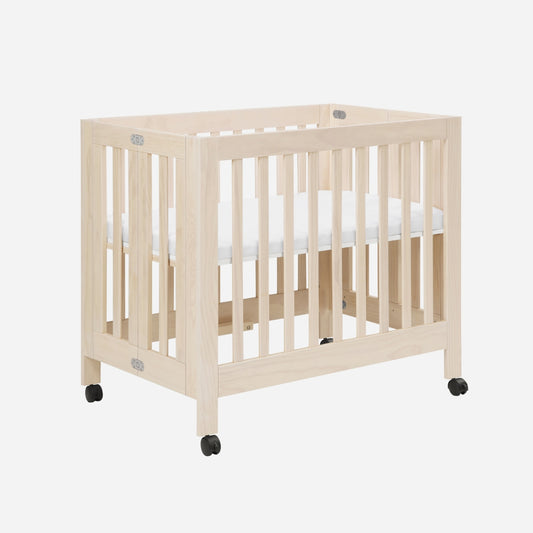
The difference between a crib and a mini crib is the footprint of the unit itself. For example, Newton’s Galileo crib measures 53.77” long by 29.44” wide by 35.23” high, and our Galileo mini crib measures 38.03” long by 25.19” wide by 37.22” high.
Both cribs offer three mattress heights (15”, 20”, and 26”), but the mini crib doesn’t transform into a toddler/day bed.
You might choose a mini crib if space is a major concern, you need to move the unit often, or you want to keep your newborn close (i.e., beside your bed) for a while before moving them into their own space.
What type of mattress should I get?
When picking a crib mattress, take into account the size and shape, firmness, materials, breathability, and how easy it will be to clean.
But the most important thing to consider is safety. You need your crib mattress to fit snugly and be firm; otherwise, it’s unsafe and could contribute to SIDS (Sudden Infant Death Syndrome).
A big gap between the mattress and the inside of the crib poses a safety hazard for your little one. How can you tell if the fit is perfect? In general, when the mattress is inside the crib, you should not be able to fit more than two fingers between it and the crib frame.
If the gap is bigger than that, your little one can get their head or other body parts trapped between it and the rails.
Your crib’s owner’s manual should list the specific dimensions of the mattress it takes. If it doesn’t, you’ll need to take your own measurements to ensure you buy the correct size.
Do I need a mattress cover?
A crib mattress cover acts as an extra layer between your baby and their mattress and provides a bit of extra comfort while they sleep.
Mattress covers and pads also help protect against diaper leaks, allergens, and off-gassing from the mattress itself (though you don’t have to worry about that last one with Newton mattresses!).
Ultimately, your baby doesn’t need a mattress cover or pad to get a good night’s sleep, but it can make them feel more comfortable in their bed…and make life easier for you!
Should my baby sleep with bumpers, blankets, and other items?
Your baby should not sleep with bumpers, blankets, toys, or other items until they’re at least one year old (though 18 months is recommended). Until then, bare is best. Your baby should only sleep with a breathable mattress, a mattress pad or cover, and a fitted sheet.
How will they stay warm at night if they don’t have a top sheet or a blanket? Consider dressing them in a soft pair of jammies, swaddling them, or dressing them in a sleep sack (which is basically a wearable blanket) when it’s time for bed.
If you go with the swaddling option, remember to stop swaddling around two months or, at the latest, by the time your baby begins trying to roll over. If you opt for a sleep sack, pay attention to the TOG rating, which indicates warmth, and avoid weighted sleep products.
Whatever you decide to dress your little one in, make sure it’s one layer more than what you would wear if you were to sleep in their room. The more comfy and safe they are, the better sleep you’ll all get.
When should I buy a crib for my baby?
There is no hard and fast rule as to when you should buy the crib for your baby. That being said, parents-to-be typically purchase their crib during the second trimester, roughly the 18th to 24th week of pregnancy.
This should give enough time for shipping and assembly, though it’s a good idea to double-check lead times before placing your order. Of course, if you decide to use a bassinet in your room for the first couple of months, you can delay the purchase of your crib for a little bit.
But keep in mind that those first months with your little one go by in a flash, so you might want to have important purchases, such as a crib, completed while you are still clear-headed.
What should I look for when buying a baby crib?
There are several things to look for when purchasing a baby crib, including safety (the most important), quality of construction and materials, and convertibility.
When it comes to safety, only purchase a crib that complies with the CPSC regulations. Ideally, this should be a new crib that was manufactured specifically for the U.S. market.
If you do opt for a second-hand crib, it’s crucial to check the manufacturing date, as regulations change over time. For instance, cribs made before June 2011 often had drop sides, which are not allowed anymore as they have been deemed dangerous for babies.
When picking your crib, check the type of wood it’s made of as well. Cribs made of hardwoods like oak, walnut, and beech wood are more durable and long-lasting.
It’s also nice to find a crib model that offers some level of convertibility to a toddler bed. This means you don’t have to shop for another piece of furniture for many years to come.
Safety certifications are also important to consider. GREENGUARD Gold certified, for instance, indicates the crib has low or no chemical emissions, meaning better indoor air quality for the nursery.
When do children transition from a crib to a toddler bed?
Typically, children transition to a toddler bed between 18 months and three years old. However, it’s best to focus on your child’s development and safety rather than just age.
For instance, if your little one is trying to climb out of the bed or if their chest is higher than the rail, it’s a good idea to transition for safety reasons.
As for developmental signs of readiness, if they’ve started to potty train (and therefore need to access the bathroom on their own), or if they’re asking for a “big kid” bed, you may want to reconfigure their crib into a toddler bed.
Another reason to make the switch sooner rather than later is if there’s a big change happening at home on the horizon (like welcoming a little brother or sister). Transitioning to the toddler bed before their sibling’s arrival will allow you to focus more squarely on them.
If they’re not quite ready yet, then put it off for a little bit longer and think of transitioning once life has settled down with the new baby.
Why choose Newton Baby for your little one’s sleep needs?
Newton is the safer, healthier, more comfortable alternative to regular crib mattresses. First of all, our mattresses are ultra-breathable, thanks to the Wovenaire® technology that allows baby to breathe right through them.
The breathability also helps with temperature regulation, which means no more sweaty backs.
Newton mattresses are also firm enough to keep your baby safe at night while still being comfortable enough to provide a good night’s sleep. And as a bonus, they’re completely washable.
Pop the cover in the washing machine and rinse the core clean in the shower. Spit-ups be gone!
On top of that, our mattresses are made without toxic chemicals and common allergens and are even GREENGUARD Gold Certified. That stamp of approval can give you peace of mind about the air quality in your child’s nursery.
Pair our mattresses with any of our standard and mini convertible cribs for a safe and stylish nursery for your baby!